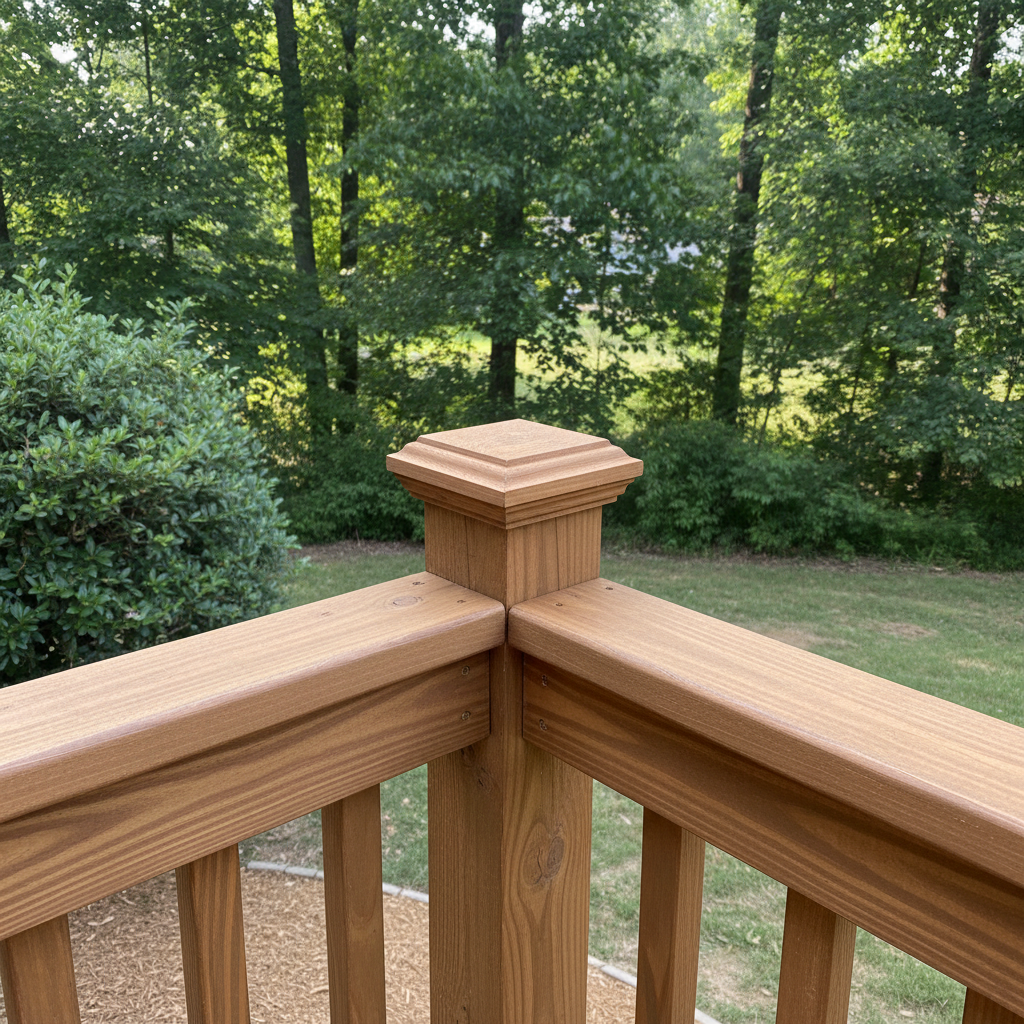
So, you're looking at your deck and thinking about those railings. Maybe they're old, wobbly, or you're just ready for a fresh look. Installing deck railings might seem straightforward, but there's a lot more to it than just screwing posts into place. Let's talk about what you need to know, from planning to finishing up, and when it's really best to just pick up the phone.
Before You Even Buy a Single Post
First off, you've got to figure out what kind of railing you want. There are tons of options: wood, composite, aluminum, cable, glass panels. Each has its own look, maintenance, and installation quirks. Wood is classic, but it needs regular staining or painting. Composite is low-maintenance but can be pricier upfront. Aluminum is sleek and durable. Cable railings give you an open view, which is great if you're overlooking the Potomac River, but they're a bit more involved to install.
Next, and this is super important: check your local building codes. Seriously, don't skip this. In Dumfries, like everywhere else, there are specific requirements for railing height, baluster spacing (usually no more than 4 inches so a 4-inch sphere can't pass through), and how strong those railings need to be. You don't want to get halfway through a project only to find out you're not up to code. A good contractor, like us at Charis Deck Solutions, knows these codes inside and out, but if you're DIYing, it's on you to do the homework.
Measure everything twice, cut once, right? That old saying applies big time here. Get accurate measurements of your deck perimeter. Sketch out your plan, noting where your posts will go. Think about gates if you need them. This planning stage is where you catch most problems before they become expensive mistakes.
During the Installation: What You Can Tackle
Okay, you've got your materials and your plan. What parts of this can a homeowner realistically do?
- Removing old railings: This is usually pretty straightforward. Unscrew, pry, pull. Just be careful not to damage the deck structure underneath.
- Assembling pre-fabricated sections: If you're going with composite or aluminum systems that come in pre-assembled panels or easy-to-connect pieces, you can often handle the assembly yourself. Follow the manufacturer's instructions to the letter.
- Installing balusters: For wood railings, cutting and attaching balusters can be a DIY job, especially if you're using a jig for consistent spacing. Just make sure they're plumb and securely fastened.
- Basic post installation: If your deck frame is solid and you're just attaching surface-mount posts, you might be able to do this. You'll need the right fasteners – often through-bolts or heavy-duty lag screws – that go deep into the deck joists or blocking.
Here's where it gets tricky, and where I often see folks get into trouble:
- Structural post attachment: If your deck posts aren't integrated into the frame or aren't strong enough, you might need to add blocking or use specialized post anchors. This often involves getting under the deck, which can be a pain, especially if your deck is low to the ground or built over uneven terrain common in some of our older Dumfries neighborhoods. Getting these posts perfectly plumb and rock-solid is critical for safety.
- Stair railings: These are a whole different beast. The angles need to be precise, and getting handrails at the right height and continuous can be tough. This is usually where I tell people,